Another Minsky?

It's been 18 years since the last 'Minsky moment'. Such a moment happens when asset values collapse, ending debt-fueled speculative growth. In 2008 a US housing bubble, derived from over-extended subprime mortgaging, triggered the collapse of several international financial institutions and global credit freeze.
That year's Great Financial Crash (GFC) saw millions lose their homes and their jobs. Global stock markets lost more than $7 trillion.
Hyman Minsky, a US economist, developed the idea that borrowing has three stages. The first, the 'hedge' phase, is characterized by caution from both lenders and borrowers. The second phase is the 'speculative' one, where confidence grows that good market conditions are here to stay.
The final stage is the 'Ponzi' phase, where assets are highly valued but borrowers can't afford to pay either the principal or the interest - leading to debt failures.
Financial systems move from stability to fragility, asserted Minsky. 2008's GFC seemed to endorse his view.
There's little doubt that total investment in AI has been a terrific boost to America's gross domestic product (GDP). The Bank for International Settlements (BiS) said in January this year that such investment was almost half of GDP growth in recent quarters. Private credit funds have seriously increased their lending to AI firms - up from 5% in 2010 to 20% today.
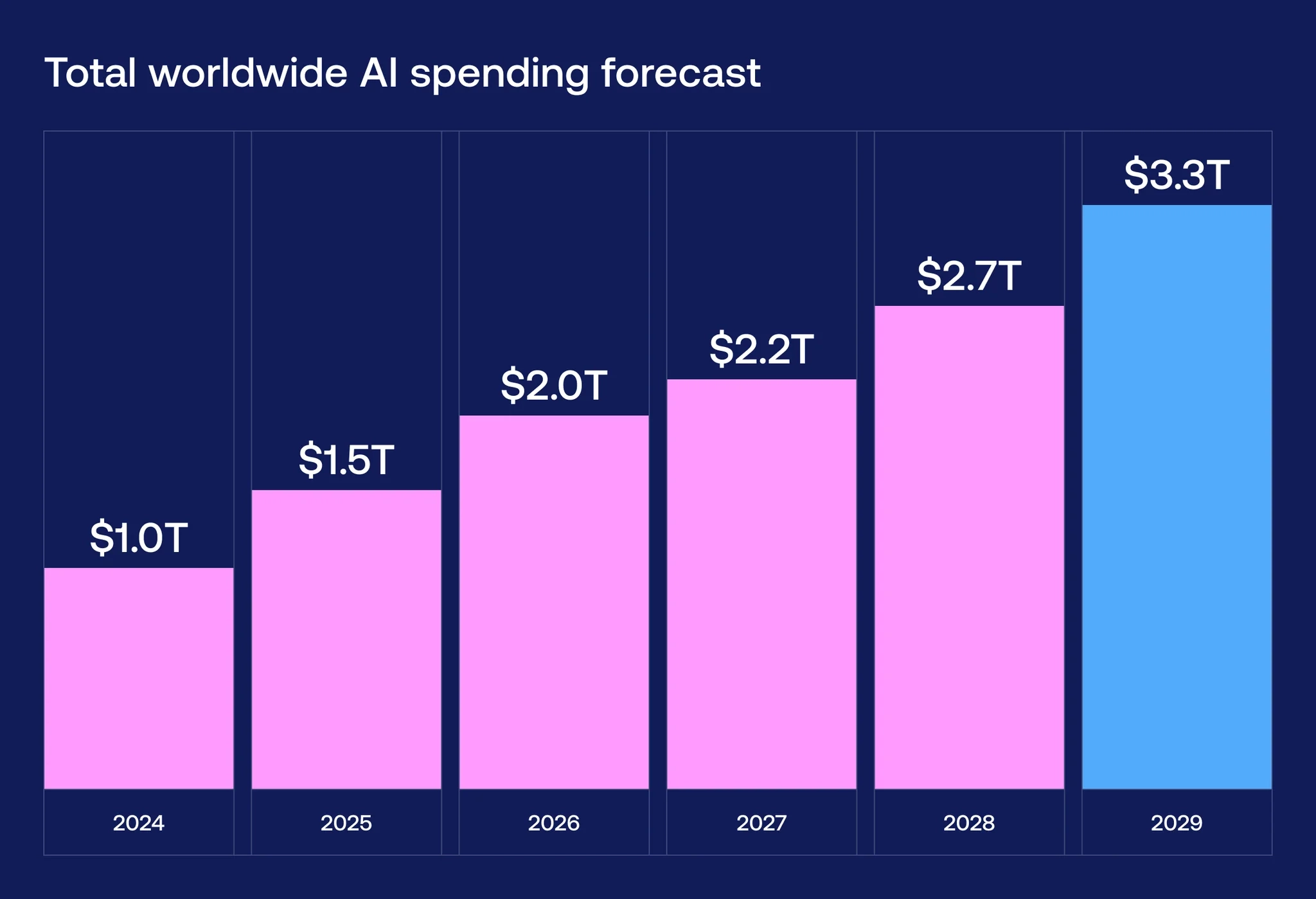
More than a trillion Dollars of AI-related debt now sits in the investment-grade bond market, bigger than the entire US banking industry. This is just one part of the investment picture. It's publicly disclosed.
Underneath that however is investment that is undisclosed private credit.
In the dot.com bubble, which burst in early 2000, Motorola's brand was worth more than that of Microsoft. It was among America's top 25 companies. It issued 100-year bonds in 1997. Today Motorola has slumped to the 232nd largest company.
Alphabet - owner of Google - issued a 100-year bond in early 2026. A company that's less than 30 years old persuaded investors to lend it money until 2126.
Are the trillions now being loaned to AI companies, that may not manage to pay interest out of cash flow, stacking up another crash?
It's not Pets.com
Pets.com launched its website in November 1998. It was liquidated in November 2000, after raising $82.5 in its initial public offering (IPO). Pets.com failed, like many others of that bubble, but the Internet has thrived.
New technologies always have winners and losers. In 1873 a quarter of US railroad companies went bankrupt; but bonds and stocks funding US railroads rose to almost $11 billion by 1897.
The same future is likely for AI. Creative destruction will eliminate most AI firms but some will thrive. It will however take years for revenues to start flowing. OpenAI projects its losses will grow to $47 billion by 2028.
By 2030 tech companies are likely to need $7 trillion, just to fund the creation of data centers.
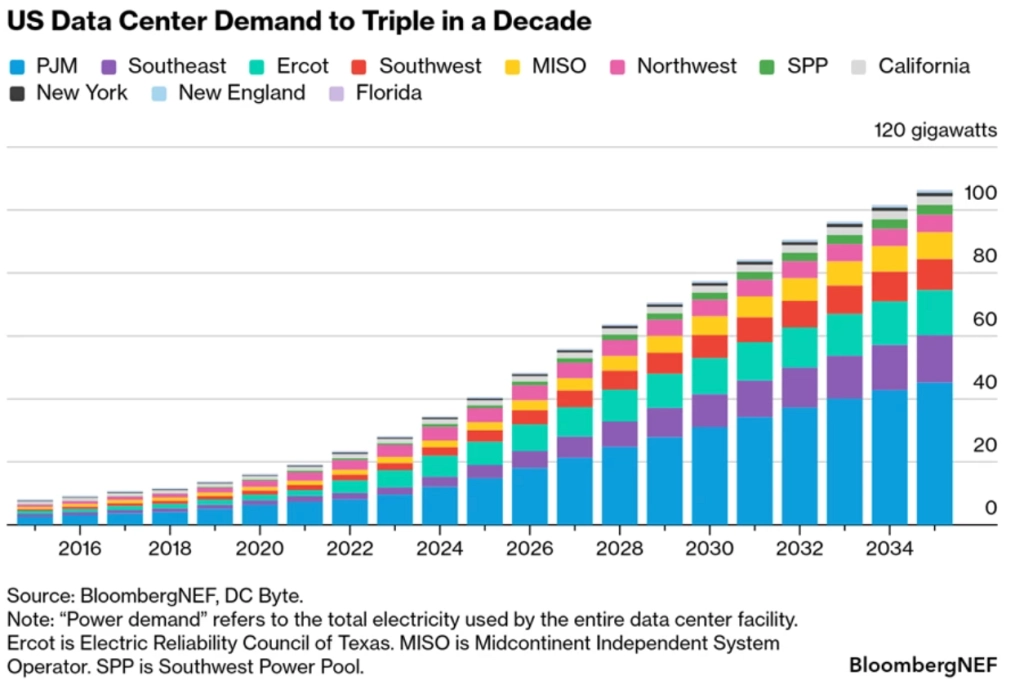 There are two crucial questions.
Will the future profits of AI firms, if and when they arrive, be big enough to cover the mammoth costs of investment?
And will today's more than $800 billion in circular financing arrangements, i.e. chipmakers funding AI firms that spend those loans buying the investors own chips, go awry?
Computer chips quickly become obsolete. Critics suggest that one of the AI problems for the future is that AI computing capacity supply will very soon, in a year or two, outstrip demand. Such speedy obsolescence could quickly obliterate loans, too.
One of several
The worry over the opacity of the current AI funding boom - not yet a bubble waiting to pop - sits alongside other worries. Sovereign debts are stretching lenders' willingness to throw more money governments' way. Inflation remains a threat, as do the continued wars in many places. Economic growth in Europe is refusing more than a crawl. Economic growth in the US is currently reliant on the AI promise.
We are at the start of the AI revolution. Some companies will win, many will lose. And overall the whole industry, which needs another year or two to shake down, represents a great uncertainty. Jamie Dimon, CEO of JP MorganChase, reckons that $1 billion funding for the AI infrastructure will be required in 2027 - up from 2025's $300 billion.
Uncertainty explains why the Dutch central bank has moved 86 tonnes of its gold from north America, relocating most of it to London. The Netherlands said "increasing geopolitical unrest" led to this decision.
All this uncertainty makes it sensible to scrutinize closely where one's investments lie. Financial institutions that attract retail investors may well be funding AI development. That development is not risk-free. Your investments may ultimately be tied up with lending to entities that face a possibly profitless future.
Avoiding credit risk should be one of the first lessons for investors. Gold has neither credit nor counter-party risk. Physical allocated gold is a property you own outright.
Glint learned from the Dutch right from its birth. It stores your allocated gold securely in Zurich vaults. That gold can also be used by you - and nobody else - as money, making it worthwhile in two senses - the value can improve (by roughly 9% a year over the last twenty years), and you avoid the uncertainties that AI investing brings.
For UK clients: At Glint, we make every effort to demonstrate a balanced conversation between gold, silver, crypto and fiat currencies when it comes to purchasing power and, while we strongly believe that gold is the fairest and most reliable currency on the planet, we need to point out that it isn’t 100% risk free. While we have seen a steady increase over time, the value of gold can fall, which means that its purchasing power can also decline.
For US clients: Graphic representations of value are for illustrative purposes only. The Glint debt card is issued by Sutton Bank, member FDIC. The sale, purchase and storage of precious metals are offered by Glint and not Sutton Bank. Your investment in precious metals through Glint is
· Not insured by the FDIC.
· Not a deposit or other obligation of, or guaranteed by, Sutton Bank.
· Subject to investment risks, including the possible risk of loss of the principal amount invested.
All investments involve risk, including possible loss of principal. The value of precious metals is affected by many economic factors, including but not limited to the current market price, demand, perceived scarcity, and quality of the precious metal. Precious metals can increase or decrease in value. Past performance is not a guarantee of future results. As such, investing in precious metals may not be suitable for everyone.