Filling the hole
With its massive debt, high yields on its long-dated bonds, a bitter tariff war with its northern neighbor, and an 'economic D-Day' against Iran, America's central bank boss has enough worries. On top of all that Kevin Warsh, chairman of the US Federal Reserve, speaks at the annual Jackson Hole symposium, where his tight-lipped style will be under scrutiny from the world's central bankers, economists, traders and journalists.
Warsh has said he doesn't want to provide 'forward guidance' about what the Fed might do regarding interest rates, which has angered some, pleased others, and left many confused. There's no real expectation that he will say anything pertinent to interest rate decisions at Jackson Hole, whose theme this year is "Financial Innovation: Implications for Payments and Policy". We will probably have to wait until mid-September, when the Federal Reserve next meets, to discover what's in store for interest rates.
That's not what gold holders want to hear.
Ups and downs
Warsh may be speaking at Jackson Hole but the hole he is leaving about the likely direction of interest rates is frustrating many. For gold, which has no yield, lower interest rates generally mean that gold becomes more attractive. High interest rates mean investors prefer accounts that give a yield.
Lower interest rates also usually mean the US Dollar weakens. President Trump, who appointed Warsh, has frequently said he wants lower American interest rates. Lower rates would mean US exports would be more competitive but imports would be more expensive. That would push inflation up.
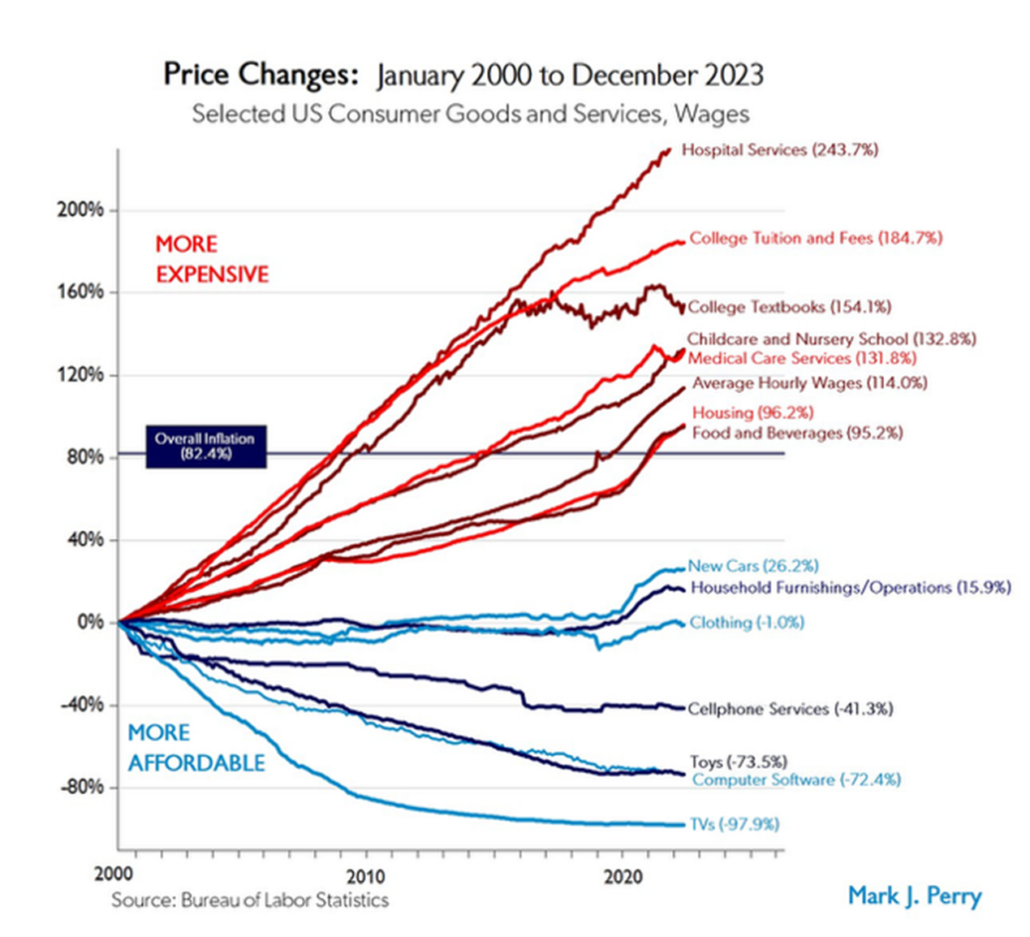
Conventional economics tells us that when inflation rises, interest rates need to rise. In July US inflation was 3.7%, but core inflation was 3.3%, still a tad away from the Fed's target of 2%/year. Many commentators talk of annual inflation - the rate by which prices increase - decelerating. Warsh has said the Fed's priority is to keep "inflation moving down" and that there is no "magic wand" to achieve this. Gasoline prices fell by almost 3% in July compared to June but were nevertheless more than 24% higher than one year ago.
Given a background of continued unsettled affairs in the Middle East but prices for most things apart from fuel starting to fall, the likeliest decision at September's Fed meeting is for interest rates to stick to their current level, of 3.5%-3.75%. So August's 15% rise in the gold price - the best monthly performance since January 1999 - might simply have been premature enthusiasm.
Except it wasn't. The Treasury's announcement that it would increase its buybacks of its long-term bonds - which reached their highest level in 19 years - focused attention on America's fiscal position and the structural credibility of the Dollar. That decision by the Treasury was taken to mean that the administration was becoming alarmed by the high cost in interest payments - and gold was sensed as a safe haven.
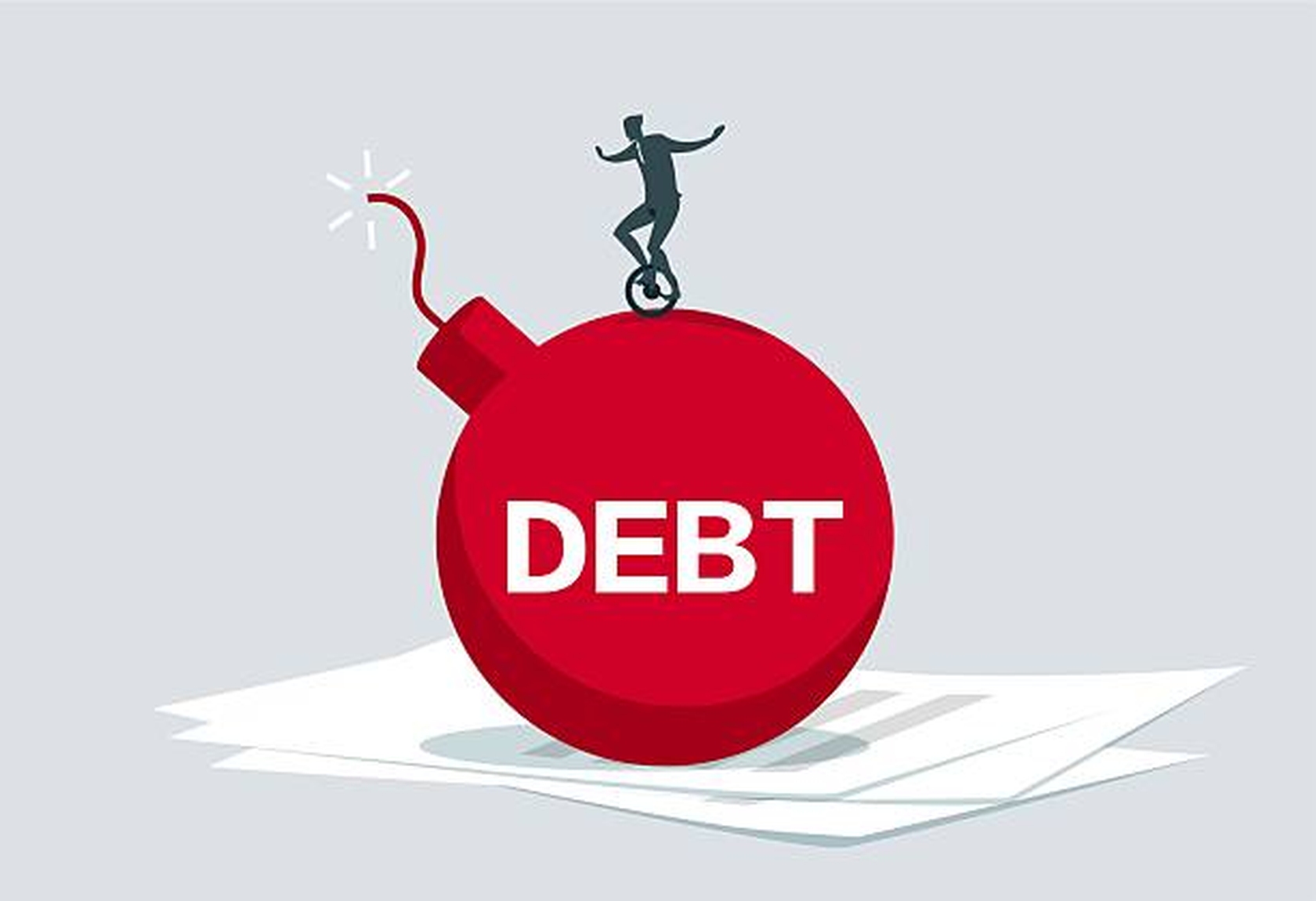
Warsh will be well aware that America's fiscal position is worsening - this year it is likely to spend $2 trillion more than it raises from taxes. Bigger debts, higher costs - no wonder he prefers silence.
Precariousness
With just over 60 days until America's mid-term elections, many heads are being scratched as people wonder how soon Warsh will cut rates and please President Trump. His Jackson Hole appearance will have given no indication. The current atmosphere of radical uncertainty looks like it will last longer than many hoped.
In that context it becomes imperative that consumers protect themselves, whatever happens. That means, inevitably, placing one's assets beyond the influence of financial institutions, governments and mishandling of the economy by central bankers. Permitting government debt to reach staggering levels - no individual can stop that. What can be done to prevent politicians from spending much, much more than they collect in taxation? Nothing.
But you are not completely impotent. You can seek out gold, and resist inflation or government waywardness. Holding allocated gold with Glint, whose vaults in Zurich are secure, means you can also use that gold as money. There is an answer to the hole.
What's not to love?
For UK clients: At Glint, we make every effort to demonstrate a balanced conversation between gold, silver, crypto and fiat currencies when it comes to purchasing power and, while we strongly believe that gold is the fairest and most reliable currency on the planet, we need to point out that it isn’t 100% risk free. While we have seen a steady increase over time, the value of gold can fall, which means that its purchasing power can also decline.
For US clients: Graphic representations of value are for illustrative purposes only. The Glint debt card is issued by Sutton Bank, member FDIC. The sale, purchase and storage of precious metals are offered by Glint and not Sutton Bank. Your investment in precious metals through Glint is
· Not insured by the FDIC.
· Not a deposit or other obligation of, or guaranteed by, Sutton Bank.
· Subject to investment risks, including the possible risk of loss of the principal amount invested.
All investments involve risk, including possible loss of principal. The value of precious metals is affected by many economic factors, including but not limited to the current market price, demand, perceived scarcity, and quality of the precious metal. Precious metals can increase or decrease in value. Past performance is not a guarantee of future results. As such, investing in precious metals may not be suitable for everyone.