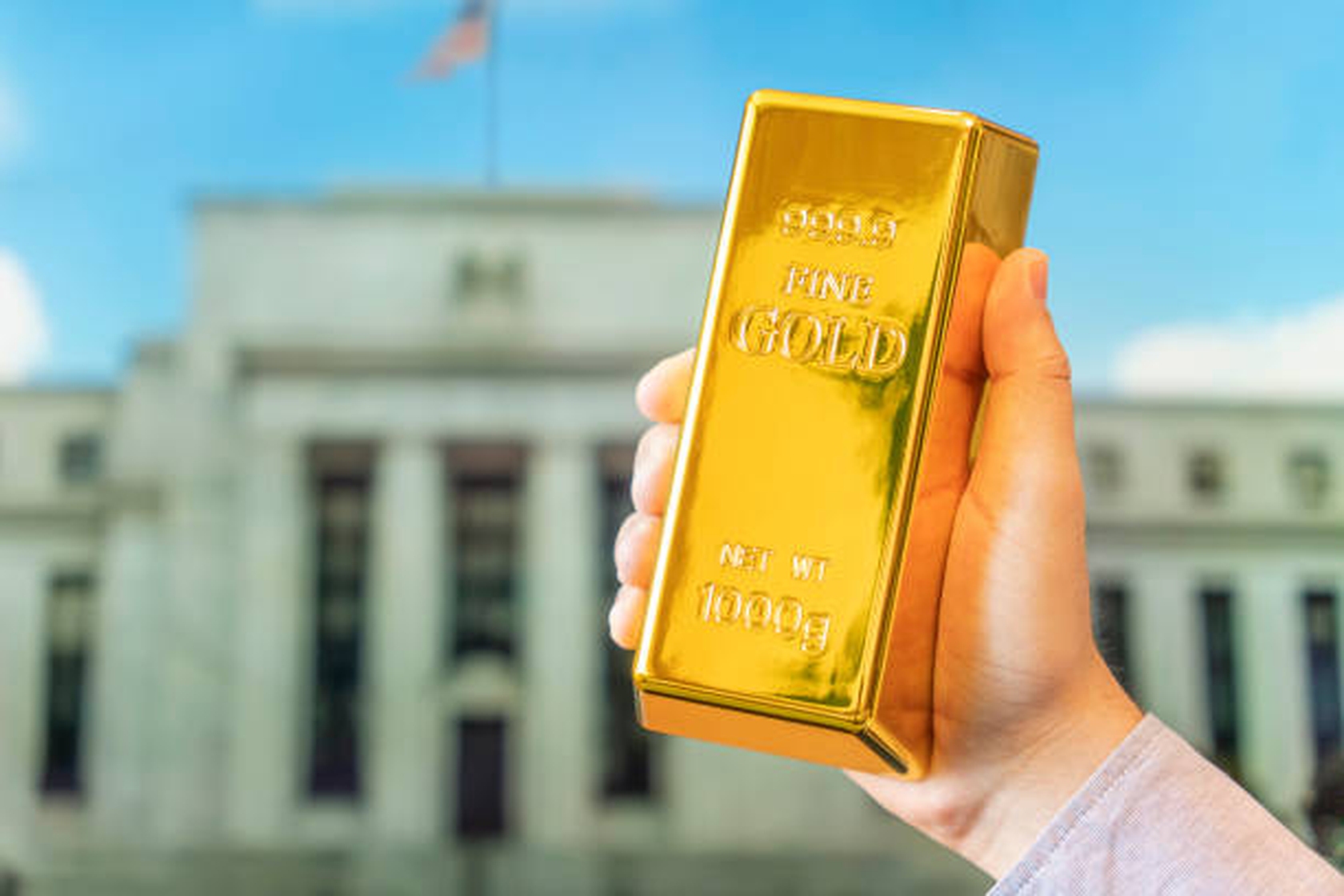
The oldest virtue
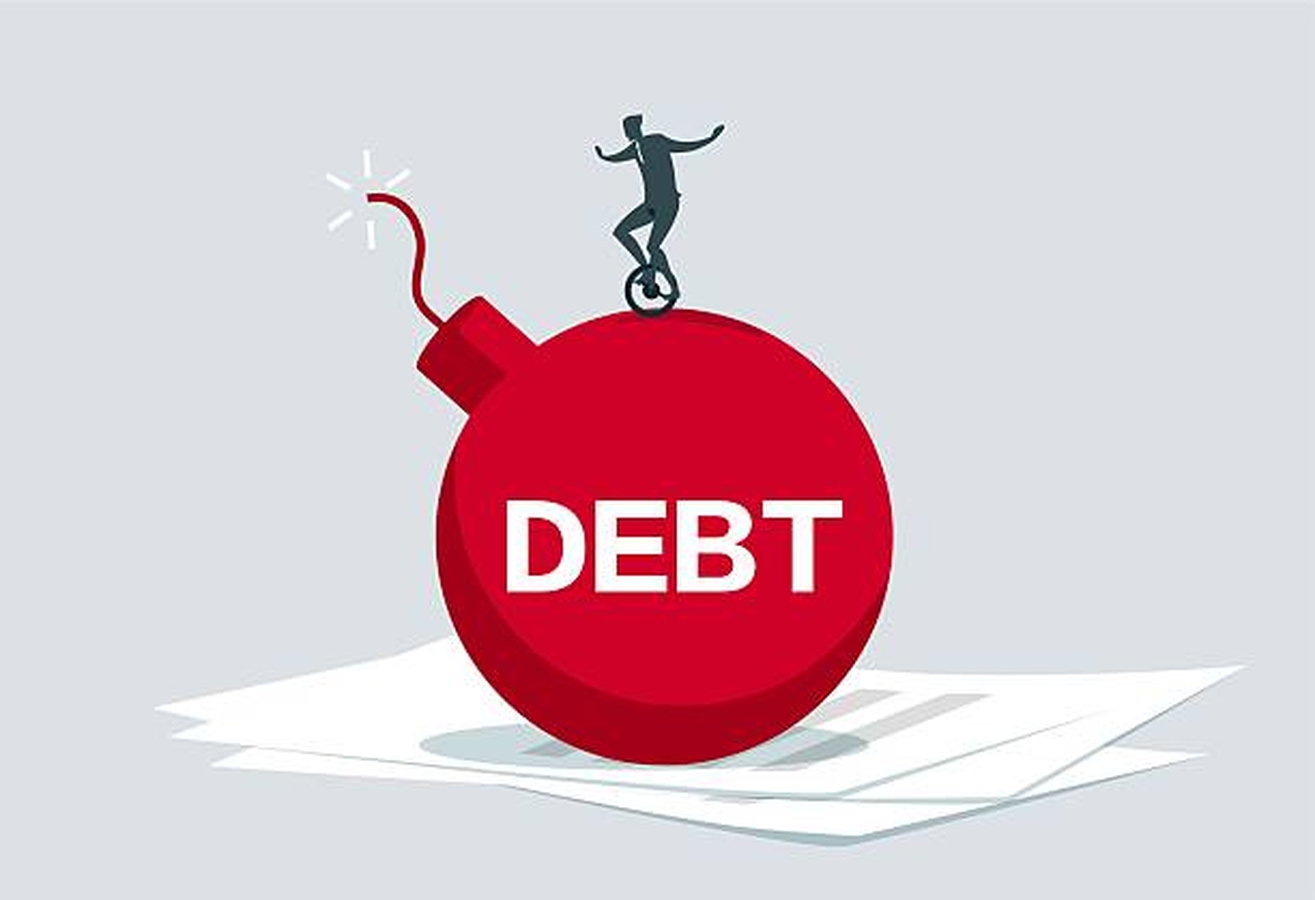
Gold's return as money has been ongoing for at least 55 years.
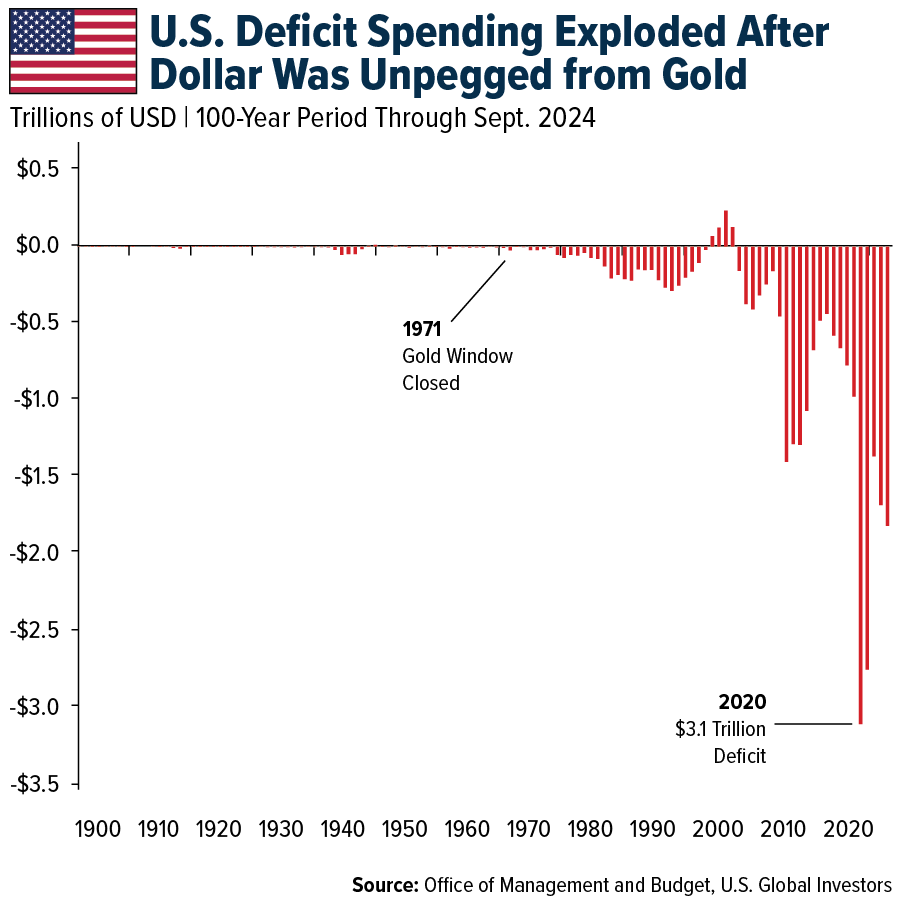
In 1971 President Nixon cut the link between gold and the US Dollar. Many expected gold's monetary status was finished. But gold resisted being consigned to the trash. Its claim as money has never disappeared. That's not surprising - it has many virtues, not the least being the virtue of being no-one's liability.
Gold's not like paper money. Paper money (fiat currency) runs a wide range of risks, the most serious being the risk of being downgraded. Governments prefer fiat money rather than gold - they can relatively easily print more paper.
Printing more paper leads to many severe economic problems, and for those unfortunate to have their wealth all in the paper it will mean disaster. The fiat currency will collapse, as many historical examples demonstrate. Governments that used to maintain a gold standard were both blessed and cursed - they used only to be able to spend as much money as they could plausibly redeem in gold. Gold imposed discipline. President Herbert Hoover summed this up by saying "We have gold because we cannot trust governments."
There are no exceptions to governments spending (and printing) more than they have. The British Pound has lost 95% of its purchasing power since 1970. It's almost as bad for the Dollar.
Big bucks
In the 100 days before the next US Thanksgiving the US national debt will be more than $41 trillion; this debt grows at around $10 billion a day, with the interest payable almost $4 billion per day. America's debt rose by more than 30% under President Biden; so far in President Trump's second term it has risen by 8.6%.
America's debt-to gross domestic product (GDP) ratio - the amount it owes against the value of its total output - is now more than 100%. The country owes more than it produces. This is true for several other countries, especially in Europe.
There's no settled number saying how much a country owes is too much. Japan owes almost 250% of what it produces yet this is not regarded as a serious risk.
But that's partly because the Yen is not the world's reserve currency.
And although the US owes vast sums, that debt will not make it collapse.
It may not be able to afford more lending, or persuade entities or countries to lend more. But it can just print more dollars.
It's complicated
US debt was once regarded as the safest and most liquid place to stash reserves. The former French President Giscard d'Estaing irritably called Dollar-denominated US Treasury bills (government debt) an "exorbitant privilege". That privilege is under strain - the yield on the 30-year Treasury this week rose above 5.33%. That's the highest in almost 20 years. Nor is this simply an extra cost for the government. The costs to mortgage holders rose to 6.75%. Nor is it only an American problem. Government borrowing around the world has grown so much that markets look like they're tiring.
To calm the fear, the Treasury department said it will double the size of its buyback operations for longer-dated government` bonds, to at least $4 billion from 9 September.
"The level of debt is not unsustainable, but the path is not sustainable...It will not end well if don't do something fairly soon" was the view of Jerome Powell, the former head of the US Federal Reserve before he left office.
Making this whole debt headache look like it could turn disastrous, hedge funds now own more Treasuries than are officially registered to Chinese, Japanese and Saudi Arabian investors combined. That such vast sums - and US Treasuries are the bedrock of the entire global financial system - are now in the hands of heavily leveraged entities is a relatively new and, for many, an alarming change. Turmoil in capital markets would see lots of these (often highly leveraged) hedge funds go bust.
Gold is best defense
There is no immediate or obvious sign that the world's debt has grown to an unmanageable size. On the other hand, very few people saw the Great Financial Crash of 2008, or the Covid-19 pandemic, coming. The world economy was blitzed by both of those, trillions of fiat currency were created from nothing, and the inflation rate in the US has not been close to the Federal Reserve's 2%/year target since 2020, when it was 1.40%.
There is no question that many things are changing, although at a snail's pace, admittedly. Wars, debts, climate, new technology, are all with us and spreading anxiety about the future. It's difficult to know what to invest in amid this turmoil of change - and gold has suffered in recent weeks.
But the Dollar gold price has started to respond to the multiplicity of financial threats, and is now up more than $1,170 from a year ago. We think it makes good sense to own gold, not because the price is guaranteed to rise, but because gold is impervious to strife elsewhere in the markets.
For UK clients: At Glint, we make every effort to demonstrate a balanced conversation between gold, silver, crypto and fiat currencies when it comes to purchasing power and, while we strongly believe that gold is the fairest and most reliable currency on the planet, we need to point out that it isn’t 100% risk free. While we have seen a steady increase over time, the value of gold can fall, which means that its purchasing power can also decline.
For US clients: Graphic representations of value are for illustrative purposes only. The Glint debt card is issued by Sutton Bank, member FDIC. The sale, purchase and storage of precious metals are offered by Glint and not Sutton Bank. Your investment in precious metals through Glint is
· Not insured by the FDIC.
· Not a deposit or other obligation of, or guaranteed by, Sutton Bank.
· Subject to investment risks, including the possible risk of loss of the principal amount invested.
All investments involve risk, including possible loss of principal. The value of precious metals is affected by many economic factors, including but not limited to the current market price, demand, perceived scarcity, and quality of the precious metal. Precious metals can increase or decrease in value. Past performance is not a guarantee of future results. As such, investing in precious metals may not be suitable for everyone.