Whoops!

Whoops!
Prices in the US rose by 3.7% in September, the first time inflation has risen since May. September's figure was up from August's 3.4% and ahead of the 3.6% predicted by an assembly of economists.
Core inflation, which removes food and energy prices, was 2.6%, again beating the August figure of 2.4%.
The Dollar price of gold dropped by almost $40. It was down about 1.5%.
The fall should surprise no-one.
Investors quickly decided that such a hot inflation reading made more likely the chances of a raise in US interest rates at the Federal Reserve's next meeting, on 27-28 October.
Prior to the inflation news, markets put the chance of an October rate rise at around 22%. That has now risen to 45%. The prospect of higher interest rates can weigh on the gold price.
Energy commodity prices in the US are now more than 35% higher than a year ago. Gasoline, the price of which rose by more than 9% in just the month of September, accounted for more than half the rise in the CPI (Consumer Price Index).
In August this year average US weekly wages rose by 3.7% year-on-year compared with an inflation rate of 3.4%. This mild outpacing of inflation by wages means many people are struggling to make ends meet. People are mindful of the peak inflation of four years ago, when it hit 9.1%. Some are still coping with that price rise. Those who use heating oil to warm their homes will pay about 20% more this winter than last year.
The Fed faces a tough test
The Federal Reserve now faces an intense test.
On the one hand, it has a target of 2% annual inflation, measured by the personal consumption expenditures (PCE) price index.
Stifling inflation has very few options. President Nixon imposed a 90-day freeze on wages and prices to combat rising inflation. It was popular to begin with but clearly failed; inflation shot higher in 1973. The conventional method of fighting inflation is through contracting the availability of money supply and credit by raising interest rates.
Putting up interest rates ultimately slows the economy, that's how it works against price rises.
On the other hand the central bank's board is hyper-aware that the nation's President has long publicly asserted he wants to see lower interest rates. The current federal funds rate is 3.75%-4%.
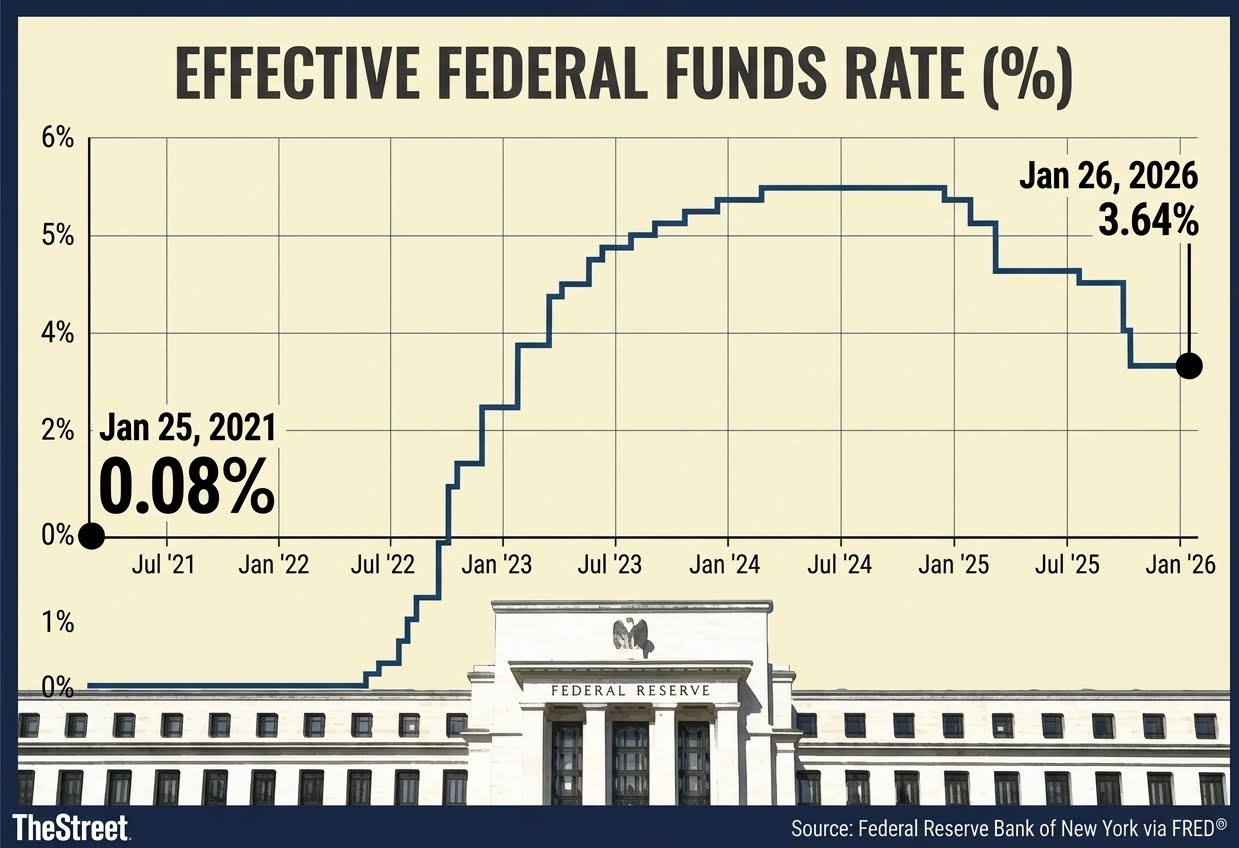
But complicating decisions about the rates are at least two variables.
The trickiest is the fact that mid-term elections in the US are less than three weeks away.
Making borrowing money more expensive will displease many voters. Mortgage rates now average 7.3% for the 30-year rate.
The second variable is that higher rates also push up the burden of carrying government debt. The US now spends more in interest payments on its $40 trillion debt than it does on national defense.
Consumer confidence, as measured by the University of Michigan, has dropped almost 14% since this time last year. According to the same survey inflation is expected to rise over the next year to 4.7%.
What to do?
Signs are that today's inflation may worsen. Supertanker rates for oil shipped from the Middle East to Asia have gone up by as much as 300%. Today it costs 40 times more to get that oil to Asia than it did in January this year. That may ease, but its inflationary impact will inevitably work through to the consumer.
We are currently like the lobster, sitting in a pan that is just starting to be warmed up. It will get hotter.
The Fed’s next decision will give markets another signal about the direction of monetary policy. But the case for gold goes beyond the next interest-rate announcement.
For us, gold has a long-term role as an alternative to money whose purchasing power is eroded by inflation.
With Glint, you can keep part of your money in physical gold you own and spend it when you choose. Saving in gold and using it as money can go hand in hand. Long-term ownership, with everyday freedom.
For UK clients: At Glint, we make every effort to demonstrate a balanced conversation between gold, silver, crypto and fiat currencies when it comes to purchasing power and, while we strongly believe that gold is the fairest and most reliable currency on the planet, we need to point out that it isn’t 100% risk free. While we have seen a steady increase over time, the value of gold can fall, which means that its purchasing power can also decline.
For US clients: Graphic representations of value are for illustrative purposes only. The Glint debt card is issued by Sutton Bank, member FDIC. The sale, purchase and storage of precious metals are offered by Glint and not Sutton Bank. Your investment in precious metals through Glint is
· Not insured by the FDIC.
· Not a deposit or other obligation of, or guaranteed by, Sutton Bank.
· Subject to investment risks, including the possible risk of loss of the principal amount invested.
All investments involve risk, including possible loss of principal. The value of precious metals is affected by many economic factors, including but not limited to the current market price, demand, perceived scarcity, and quality of the precious metal. Precious metals can increase or decrease in value. Past performance is not a guarantee of future results. As such, investing in precious metals may not be suitable for everyone.